Hello,Welcome to Normal Website!
Service hotline400-6177-880
Hello,Welcome to Normal Website!
Service hotline400-6177-880

Contact US
Tell:+86-571-85691658
Fax:+86-571-28867000
E-mail:[email protected]
Address:North block, 9 block,, Jiangling, Binjiang District, Hangzhou, Zhejiang

Food & Cosmetic Product
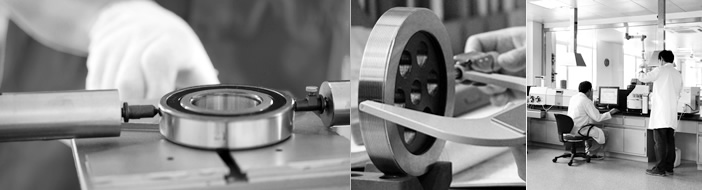
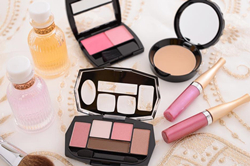
Cosmetics testing
On December 23, 2015, the China Food and Drug Administration (CFDA) issued Announcement No. 268 of 2015, announcing that the Cosmetic Standards Committee had approved and released a new cosmetic standard - the "Technical Safety Specification for Cosmetics" (2015 edition). The new standard will replace the "Hygienic Standards for Cosmetics" (2007 edition) from December 1, 2016. The "Hygiene Standards for Cosmetics" have been updated to the "Safety Technical Standards for Cosmetics". The Safety Technical Specification for Cosmetics is divided into eight sections, with the outline as follows:
Chapter 1
Scope, terminology and definitions, and general requirements
Chapter 2
■ Prohibited components in cosmetics
Chapter 3
The restricted components of cosmetics include preservatives, sunscreens, colorants, and hair dyes.
Chapter 4
■ Physical and chemical testing methods
Chapter 5
Microbial testing methods
Chapter 6
■ Toxicological test methods
Chapter 7
■ Human body patch test
Chapter 8
■ Methods for efficacy evaluation and testing
1. Change in limit of heavy metals and harmful substances
The "Technical Specification for Safety of Cosmetics" has adjusted the limit of lead (Pb) and arsenic (As) and added relevant regulations on the limit of cadmium (Cd). The standard also references the requirements for 1,4-dioxane and asbestos in technical documents.
Microbial limit for cosmetics
Harmful substances
Limit (mg/kg)
remarks
Lead (Pb)
ten
Arsenic (As)
two
Mercury (Hg)
one
Excluding eye cosmetics containing organic mercury preservatives
Cadmium (Cd)
five
methanol
2,000
1,4-dioxane
thirty
asbestos
Cannot be detected
Microbial indicators
Limited edition
remarks
Total number of bacterial colonies
≤ 500 cfu/g or ≤ 500 cfu/mL
≤ 1000cfu/g or ≤ 1000cfu/mL
Eye and/or lip cosmetics and children's cosmetics
Other cosmetics
Total number of mold and yeast
≤ 100 cfu/g or ≤ 100 cfu/mL
Staphylococcus aureus
Not detectable/g or not detectable/mL
Pseudomonas aeruginosa
Not detectable/g or not detectable/mL
thermotolerant coliforms
Not detectable/g or not detectable/mL
2. Revision of Prohibited and Restricted Components
The Safety Technical Specification for Cosmetics has made the following revisions to the prohibited and restricted components in the Hygiene Specification for Cosmetics:
Chapter 2
Disable components
1388 items in total, with an increase of 133 items and revision of 137 items
Restricted components
There are a total of 47 items, with 1 item added, 31 items revised, and 27 items deleted
Chapter 3
Approved preservatives
There are a total of 51 items, with 14 revisions and 5 deletions
Approved sunscreen
There are a total of 27 items, with 6 revisions and 1 deletion
Approved coloring agent
157 items in total, 1 item added, 69 items revised
Approved hair dye
There are a total of 75 items, with 63 revisions and 21 deletions
3. Revision of Cosmetic Evaluation and Testing Methods
The new standard has added 60 testing methods to detect prohibited and restricted components in cosmetics. The detection methods for strontium and total fluoride content are beyond the scope of this standard, therefore they are removed from the "Hygienic Standards for Cosmetics". In addition to chemical analysis, the new standard also standardizes microbiological and toxicological testing methods, revises human safety testing and efficacy testing, and discusses them separately. The efficacy testing also includes the preparation methods of P2 and P3 products used for SPF determination.
Solution:
The safety, effectiveness, and stability of cosmetics, personal care products, and household items are crucial. NormalTCI provides testing, inspection, auditing, and consulting services to manufacturers, distributors, and importers to ensure that products meet high quality standards in every field. We have advanced laboratories that can provide customized solutions in chemistry, biophysics, microbiology, stability, and biological states. At the same time, we have extensive experience and capabilities in efficacy testing, claim support, and consumer research. Our testing is conducted according to the standards and methods specified or recognized by the customer. Our cosmetic safety assessors and other technical experts can assist customers in determining whether new products comply with regulatory requirements.
China has released 35 national testing standards for cosmetics and their raw materials:
On February 6, 2018, the General Administration of Quality Supervision, Inspection and Quarantine of China (AQSIQ) and the Standardization Administration of China (SA) approved the release of 291 national standards.
Among these 291 national standards, 35 are related to cosmetics and their raw materials.
Eyeliner and makeup remover were included in the national standard supervision for the first time. These substances are mainly concentrated in banned substances (such as acaricide and N-nitrosodiethanolamine (NDELA)), restricted substances (such as inorganic sulfites and bisulfites), preservatives (undecylenic acid and its salts), UV filters, and skin whitening substances. Table 1 lists these new national standards. These new standards will be officially implemented from September 1, 2018.
Standard Number Standard Name
GB/T 13531.6-2018 General inspection methods for cosmetics - Determination of particle size (fineness)
GB/T 13531.7-2018 General inspection methods for cosmetics - Determination of refractive index
GB/T 35797-2018 Determination of Padimab Esters in Cosmetics - High Performance Liquid Chromatography Method
GB/T 35798-2018 Determination of coumarin and its derivatives in cosmetics - High performance liquid chromatography method
GB/T 35799-2018 Determination of Sodium Pyrrolidone Carboxylate in Cosmetics - High Performance Liquid Chromatography Method
GB/T 35800-2018 Determination of preservatives chlorhexidine and chlorhexidine and their salts in cosmetics - High performance liquid chromatography method
GB/T 35801-2018 Determination of Prohibited Substance Clotrimazole in Cosmetics - High Performance Liquid Chromatography Method
GB/T 35803-2018 Determination of banned substances uric acid and its ethyl ester in cosmetics - High performance liquid chromatography method
GB/T 35824-2018 Determination of 20 banned and restricted dye components in hair dye cosmetics - High performance liquid chromatography method
GB/T 35826-2018 Determination of Prohibited Substances in Skincare Cosmetics - Le Sha Mite and Ke Shi Te
GB/T 35827-2018 General Inspection Methods for Cosmetics - Identification of Emulsification Types (w/o or o/w)
GB/T 35828-2018 Determination of Chromium, Arsenic, Cadmium, Antimony, and Lead in Cosmetics - Inductively Coupled Plasma Mass Spectrometry Method
GB/T 35829-2018 Determination of Four Naphthalenediols in Cosmetics - High Performance Liquid Chromatography Method
GB/T 35830-2018 Washing products - Determination of triclosan content
GB/T 35831-2018 Method for determination of aloin in oral care products
GB/T 35832-2018 Toothpaste Friction Value Testing Method
GB/T 35837-2018 Determination of Minoxidil, a Prohibited Substance in Cosmetics - High Performance Liquid Chromatography Method
GB/T 35889-2018 eyeliner Liquid (Cream)
GB/T 35893-2018 Determination of sweat inhibiting active ingredients in cosmetics - Hydroxyzirconium aluminum chloride complexes, Hydroxyzirconium aluminum chloride glycine complexes, and Hydroxyaluminum chloride
GB/T 35914-2018 Makeup Removal Oils (Liquid, Milk, Cream, Cream)
GB/T 35815-2018 Cosmetic Raw Materials - Pearl Extracts
GB/T 35916-2018 Determination of 16 Approved Sunscreens and 8 Other UV Absorbing Substances in Cosmetics - High Performance Liquid Chromatography Method
GB/T 35919-2018 Classification and Terminology of Oral Cleaning and Care Products
GB/T 35946-2018 Determination of Thimerosal Content in Eye Cosmetics - High Performance Liquid Chromatography Method
GB/T 35948-2018 Determination of 7 4-hydroxybenzoate esters in cosmetics - High performance liquid chromatography method
GB/T 35949-2018 Determination of Prohibited Substance Aristolochic Acid A in Cosmetics - High Performance Liquid Chromatography Method
GB/T 35950-2018 Determination of Inorganic Sulfites and Bisulfites as Restricted Substances in Cosmetics
GB/T 35951-2018 Determination of 8 Macrolide Antibiotics, including Spiramycin, in Cosmetics by Liquid Chromatography Tandem Mass Spectrometry
GB/T 35952-2018 Determination of undecylenic acid and its zinc salts in cosmetics by gas chromatography
GB/T 35953-2018 Determination of restricted substances dichloromethane and 1,1,1-trichloroethane in cosmetics by headspace gas chromatography
GB/T 35954-2018 Determination of 10 Whitening and Spot Removing Agents in Cosmetics - High Performance Liquid Chromatography Method
GB/T 35955-2018 Anti sweat (deodorant) liquid (milk, spray, cream)
GB/T 35956-2018 Determination of N-nitrosodiethanolamine (NDELA) in cosmetics - High performance liquid chromatography tandem mass spectrometry method
GB/T 35957-2018 Determination of prohibited substances cesium-137 and cesium-134 in cosmetics by gamma spectroscopy
Note: In case of inconsistency between the Chinese and English versions, the original publication shall prevail.
Standard Number Standard Name
BB/T 0005 Labeling, Classification, and Terminology of Aerosol Products
GB 15979 Hygiene Standards for Disposable Sanitary Products
GB 5296.3 Instructions for the use of consumer goods - General labels for cosmetics
GB 7916 Hygienic Standards for Cosmetics
GB 8372 Toothpaste
GB/T 13025.3 General Test Methods for Salt Industry - Determination of Moisture Content
GB/T 13025.5 General Test Methods for Salt Industry - Determination of Chloride Ion
GB/T 13171.1 Washing powder (phosphorus containing type)
GB/T 13171.2 Washing powder (phosphate free type)
GB/T 13173 Surface active agents Test methods for detergents
GB/T 13174 Determination of cleaning power and cyclic washing performance of laundry detergents for fabrics
GB/T 13531.1 General Inspection Methods for Cosmetics - Determination of pH Value
GB/T 13531.3 General Inspection Methods for Cosmetics - Determination of Turbidity
GB/T 13531.4 General inspection methods for cosmetics - Determination of relative density
GB/T 14449 Test Methods for Aerosol Products
GB/T 24800.11 Determination of preservatives benzyl alcohol in cosmetics by gas chromatography
GB/T 24800.12 Determination of p-phenylenediamine, o-phenylenediamine, and m-phenylenediamine in cosmetics
GB/T 24800.2 Determination of Forty One Corticosteroids in Cosmetics by Liquid Chromatography/Tandem Mass Spectrometry and Thin Layer Chromatography
GB/T 26513 lipstick
GB/T 26516 Massage essential oils
GB/T 27574 eye black
GB/T 27575 Makeup Pen, Makeup Cartridge
GB/T 27576 Lip Gloss and Lip Oil
GB/T 28004 Diapers (Tablets, Pads)
GB/T 6368 Surface active agents Determination of pH value of aqueous solutions Potentiometric method
GB/T 7917.1 Standard Test Method for Hygiene Chemistry of Cosmetics Mercury
GB/T 7917.2 Standard Test Method for Hygienic Chemistry of Cosmetics - Arsenic
GB/T 7917.3 Standard Test Methods for Hygienic Chemistry of Cosmetics - Lead
GB/T 7917.4 Standard Test Method for Hygiene Chemistry of Cosmetics - Methanol
GB/T 7918.2 Standard Test Method for Microbiology of Cosmetics - Determination of Total Bacterial Count
GB/T 7918.3 Standard Test Method for Microbiology of Cosmetics - Fecal Coliforms
GB/T 7918.4 Standard Test Method for Microbiology of Cosmetics - Pseudomonas aeruginosa
GB/T 7918.5 Standard Test Method for Microbiology of Cosmetics - Staphylococcus aureus
GB/T 8618 Sampling Method for Main Products of Salt Industry
GB/T 8939 Sanitary napkins (including sanitary pads)
JJF 1070 Quantitative Packaging Product Net Content Measurement and Inspection Rules
QB 1643 hair mousse
QB 1644 styling hair gel
QB 1994 Shower Gel
QB 2654 hand sanitizer
QB 2660 toner
QB/T 1224 Liquid detergent for clothing
QB/T 1645 Facial Cleanser (Cream)
QB/T 1685 Cosmetic Product Packaging Appearance Requirements
QB/T 1857 Moisturizing Cream
QB/T 1858 perfume, cologne
QB/T 1858.1 Flower Water
QB/T 1859 fragrance powder, talcum powder, prickly heat powder
QB/T 1862 Oil
QB/T 1863 Determination of p-phenylenediamine in hair dyes Gas chromatographic method
QB/T 1913 Transparent Soap
QB/T 1974 Shampoo (Cream)
QB/T 1975 Hair Conditioner
QB/T 1976 Makeup Powder Blocks
QB/T 1977 lipstick
QB/T 1978 Hair dye
QB/T 2284 Hair Cream
QB/T 2285 Cold perm solution for hair
QB/T 2286 Moisturizing lotion
QB/T 2287 nail polish
QB/T 2486 Soap
QB/T 2493 Diapers (including diapers/pads)
QB/T 2623.1 Soap Test Methods - Determination of Free Caustic Alkali Content in Soap
QB/T 2623.2 Soap Test Methods - Determination of Total Free Alkali Content in Soap
QB/T 2623.3 Soap Test Methods - Determination of Total Alkalinity and Total Fat Content in Soap
QB/T 2623.4 Soap Test Methods - Determination of Moisture and Volatile Matter Content in Soap - Oven Method
QB/T 2623.5 Soap Test Methods - Determination of Ethanol Insoluble Content in Soap
QB/T 2623.6 Soap Test Methods Determination of Chloride Content in Soap Titration Method
QB/T 2623.7 Soap Test Methods - Determination of Unsponifiable and Unsponifiable Substances in Soap
QB/T 2623.8 Soap Test Methods - Determination of Phosphate Content in Soap
QB/T 2744.1 Bath Salts Part 1: Foot Bath Salts
QB/T 2744.2 Bath Salts Part 2: Bath Salts
QB/T 2835 No Wash Hair Conditioner
QB/T 2872 facial mask
QB/T 2873 Hair Gel (Water)
QB/T 2874 Skincare Gel
QB/T 2952 Requirements for Identification and Packaging of Washing Products
QB/T 4076 Hair Wax
QB/T 4077 Baked Oil Cream (Hair Mask)
QB/T 4079 Massage Base Oil, Massage Oil
QB/T 4126 hair bleaching agent
SN/T 1475 Method for detection of arbutin in cosmetics - Liquid chromatography method
SN/T 1495 Determination of Phthalates in Cosmetics - Gas Chromatography Method
SN/T 1784 Determination of Residual Dioxane in Imported and Exported Cosmetics Gas Chromatography Tandem Mass Spectrometry Method
SN/T 1786
Determination of triclosan and triclosan in imported and exported cosmetics by liquid chromatography
Please consult NormalTCI for specific questions
National service hotline: 400-6177-880
Email:[email protected]
Copyright @ 2015 NORMAL (HANGZHOU) TESTING & CERTIFICATION CO., LTD.
Tell:+86-571-28906690 E-mail:[email protected] Service Hotline:400-6177-880 Fax:+86-571-28867000
If you have any comments on the website, please email to:[email protected]